The Intricate Dance of Bones and Spine in Human Architecture
- dstreet422
- Apr 16
- 4 min read

Beneath our skin lies a remarkable framework that shapes every movement and supports every breath: the skeletal system. Far from being static, bones are living tissues that continuously renew themselves. They provide form, protect vital organs, and anchor muscles, enabling strength and motion. At the heart of this system is the spine, a complex column that not only holds us upright but also allows fluid movement and safeguards the spinal cord, the body's communication highway. Understanding this intricate architecture reveals how structure and function work together to sustain life.
The Living Framework of Bones
Bones are often thought of as hard, lifeless parts of the body, but they are dynamic and constantly changing. Inside, bone tissue undergoes a continuous cycle of breakdown and rebuilding, a process called remodeling. This keeps bones strong and able to adapt to stresses from daily activities.
Support and Shape: Bones give the body its shape and support soft tissues.
Protection: The skull shields the brain, ribs guard the heart and lungs, and the pelvis protects reproductive organs.
Movement: Bones serve as attachment points for muscles. When muscles contract, they pull on bones to create movement.
Mineral Storage: Bones store essential minerals like calcium and phosphorus, releasing them into the bloodstream as needed.
Blood Cell Production: Bone marrow produces red and white blood cells, vital for oxygen transport and immune defense.
Despite their strength, bones can fracture under sudden force or weaken due to conditions like osteoporosis. This disease reduces bone density, making fractures more likely even from minor falls. Maintaining bone health through diet, exercise, and lifestyle choices is crucial to preserving this internal scaffold.
The Spine: More Than a Support Column
The spine is a central pillar of the body, composed of 33 vertebrae stacked in a gentle S-curve. This shape helps absorb shock and maintain balance. The spine’s design allows for flexibility and strength, enabling us to bend, twist, and stand tall.
Structure of the Spine
Cervical Vertebrae: The top seven vertebrae support the head and allow neck movement.
Thoracic Vertebrae: The next twelve connect to ribs, protecting the chest cavity.
Lumbar Vertebrae: The lower five bear much of the body’s weight.
Sacrum and Coccyx: These fused bones form the base of the spine and connect to the pelvis.
Each vertebra is separated by intervertebral discs, which act as cushions and shock absorbers. These discs allow movement between vertebrae and prevent bone-on-bone contact.
Functions of the Spine
Weight Bearing: The spine supports the weight of the head, arms, and torso.
Movement: It enables a wide range of motions, including bending forward, backward, and side to side.
Protection: The vertebrae encase the spinal cord, shielding it from injury.
The Spinal Cord: The Body’s Communication Highway
Running through the hollow center of the vertebrae is the spinal cord, a bundle of nerves that connects the brain to the rest of the body. This delicate structure transmits signals that control sensation, movement, and reflexes.
Signal Transmission: Nerve impulses travel up and down the spinal cord, carrying messages to and from the brain.
Reflex Actions: The spinal cord can trigger immediate responses without involving the brain, such as pulling your hand away from a hot surface.
Coordination: It helps coordinate complex movements and balance.
Because the spinal cord is so vital, injuries can have serious consequences, including paralysis. The bones of the spine protect this fragile structure, but trauma or disease can still cause damage.
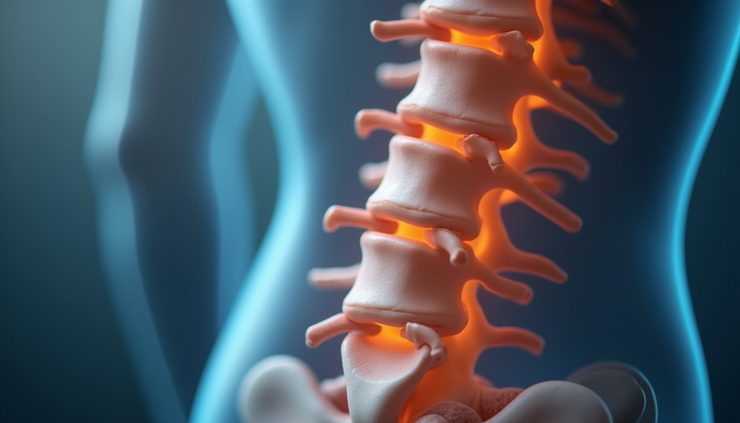
Close-up view of the human spine showing vertebrae and intervertebral discs
The Paradox of Bone Strength and Fragility
Bones must be strong enough to support the body and withstand daily forces but also light enough to allow movement. This balance is achieved through their unique composition:
Compact Bone: Dense and hard, it forms the outer layer.
Spongy Bone: Found inside, it has a porous structure that absorbs shock.
Bone Marrow: Located within cavities, it produces blood cells.
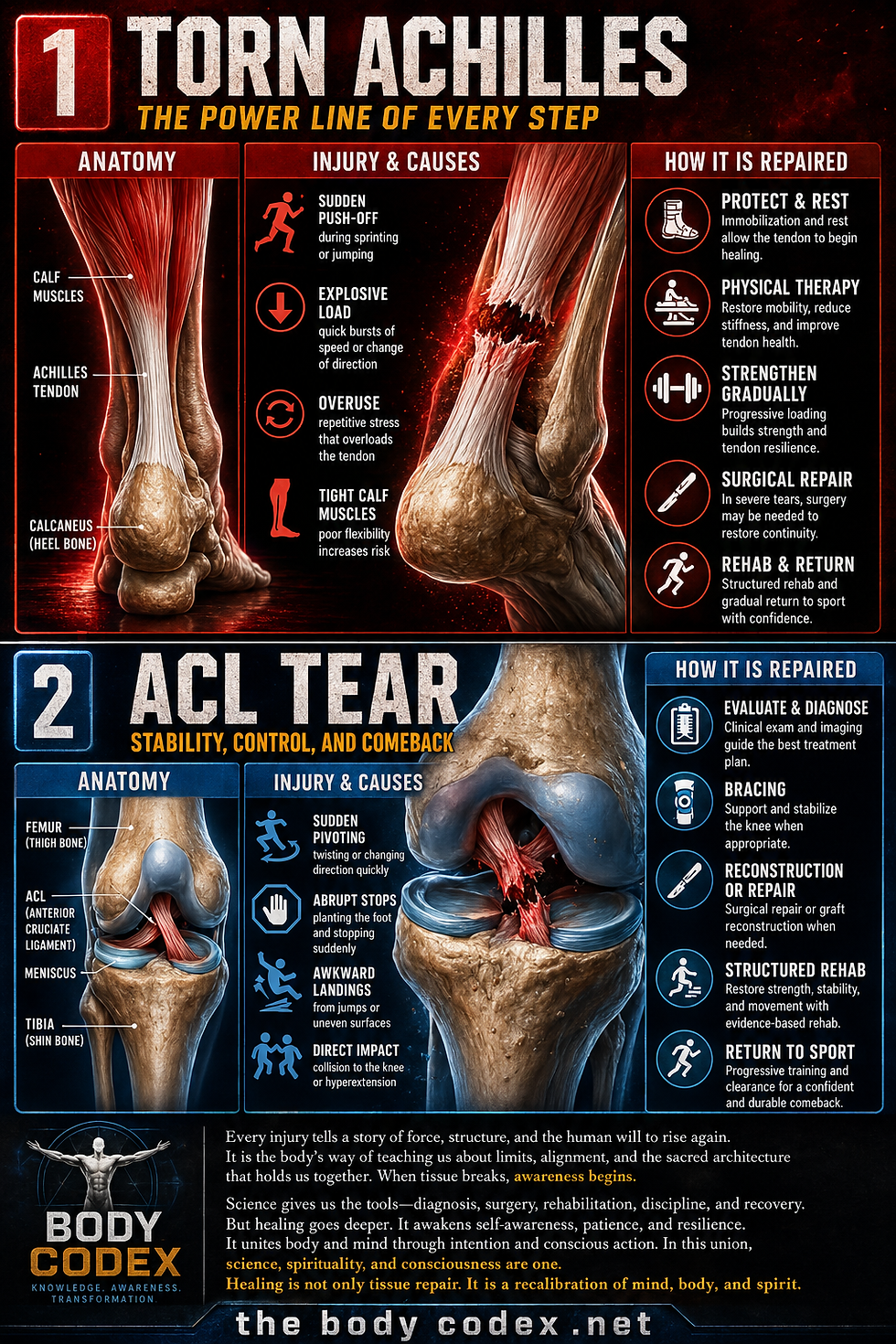
Despite this strength, bones can break. A fracture disrupts the bone’s structure and function, affecting mobility and causing pain. Healing is a complex process that involves several stages:
Inflammation: Blood clots form around the break to protect the area.
Soft Callus Formation: Cells produce cartilage to bridge the gap.
Hard Callus Formation: Cartilage is replaced by new bone.
Remodeling: The bone reshapes itself over months to regain strength.
This natural repair process highlights the body's ability to restore its architecture after injury.
Maintaining Bone and Spine Health
Keeping bones and the spine healthy requires attention to lifestyle and habits:
Nutrition: Adequate calcium and vitamin D intake supports bone density.
Exercise: Weight-bearing activities like walking and resistance training strengthen bones and muscles.
Posture: Proper alignment reduces strain on the spine.
Avoiding Injury: Using protective gear during sports and practicing safe lifting techniques prevent damage.
Regular Check-ups: Early detection of bone diseases can prevent complications.
Simple changes can have a lasting impact on the strength and function of the skeletal system.
The Blueprint of Human Structure
The bones and spine form the foundation of human architecture. They provide the framework that supports every action and protects vital systems. Their dynamic nature allows for growth, adaptation, and repair, reflecting the resilience of the human body.
Understanding this intricate dance between strength and fragility encourages us to care for our skeletal system. By supporting bone health and protecting the spine, we maintain the structure that enables us to move, express, and live fully.

Comments