The Fascinating Connection Between Vision and the Universe Even with Closed Eyes
- dstreet422
- Mar 31
- 3 min read
Vision shapes how we experience the world. It connects us to our surroundings and beyond, offering a window to the universe. But what happens when we close our eyes? Why do we still feel visually connected to the universe even in darkness? This post explores the science behind vision, the structure of the eye, and how our visual system keeps us linked to the cosmos even when our eyes are shut. We will also see how vision enriches our daily lives, making our experiences deeper and more meaningful.
How Vision Works: The Basics
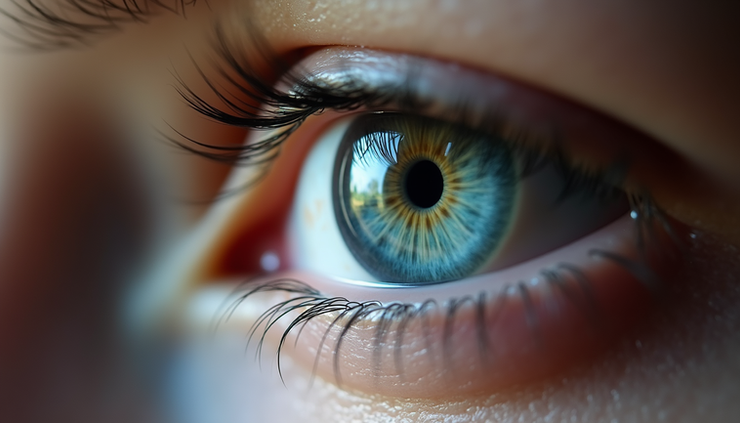
Vision begins when light enters the eye through the cornea, the clear front layer. The light passes through the pupil, the black circular opening controlled by the iris, which adjusts its size to regulate the amount of light entering. Behind the pupil, the lens focuses light onto the retina, a thin layer of light-sensitive cells lining the back of the eye.
The retina contains two main types of photoreceptor cells: rods and cones. Rods detect light intensity and help us see in low light, while cones detect color and detail. These cells convert light into electrical signals sent to the brain via the optic nerve. The brain processes these signals into the images we perceive.
This process happens incredibly fast and continuously, allowing us to see the world in real time. The eye and brain work together to create a seamless visual experience.
The Structure of the Eye and Its Role in Vision
Understanding the eye’s structure helps explain how vision connects us to the universe:
Cornea: Protects the eye and begins focusing light.
Pupil and Iris: Control light entry and adjust to brightness.
Lens: Fine-tunes focus to create sharp images.
Retina: Converts light into neural signals.
Optic Nerve: Transmits signals to the brain’s visual cortex.
Each part plays a crucial role in capturing and interpreting light. The retina’s rods and cones are especially important because they translate photons—tiny particles of light from stars, the sun, and everything we see—into signals the brain understands.
Why We Still See the Universe When Our Eyes Are Closed
Closing our eyes does not completely block visual input. Instead, it changes how our brain processes visual information. Several reasons explain why we remain visually connected to the universe even with closed eyes:
Phosphene Phenomenon: When you close your eyes and gently press on them or move them, you might see flashes or patterns of light called phosphenes. These are caused by stimulation of the retina or visual cortex without actual light entering the eye.
Afterimages: If you look at a bright light and then close your eyes, you may still see a lingering image. This happens because photoreceptors continue to send signals briefly after the light source is gone.
Visual Memory and Imagination: The brain can recreate visual scenes based on memory or imagination. Even with eyes closed, you can "see" stars, shapes, or colors in your mind’s eye, maintaining a connection to the universe.
Ambient Light and Neural Activity: Some light penetrates closed eyelids, especially in bright environments, allowing minimal visual input. The brain also remains active, interpreting signals and maintaining a sense of space and light.
These factors combine to keep us visually linked to the universe, even in darkness.
How Vision Enhances Our Life’s Experiences
Vision is more than just seeing objects. It enriches our lives in many ways:
Navigation and Safety: Vision helps us move safely through the world, avoiding obstacles and recognizing dangers.
Emotional Connection: Seeing faces, expressions, and body language builds social bonds and empathy.
Learning and Creativity: Visual information supports reading, writing, art, and innovation.
Enjoyment of Nature and Art: Colors, shapes, and light inspire awe and wonder, connecting us to the beauty of the universe.
Memory and Imagination: Visual cues trigger memories and fuel imagination, deepening our understanding of the world.
For example, watching a sunset connects us to the solar system’s daily rhythms. Gazing at stars sparks curiosity about the cosmos. Even closing our eyes to visualize these scenes keeps us mentally connected to the universe.
Practical Ways to Strengthen Your Visual Connection to the Universe
You can enhance your visual experience and connection to the universe through simple practices:
Mindful Observation: Spend time observing natural scenes, focusing on details like light, color, and movement.
Eye Relaxation Exercises: Gently close your eyes and visualize calming images or starry skies to stimulate your visual cortex.
Limit Screen Time: Reducing artificial light exposure helps your eyes rest and improves natural vision.
Explore Night Skies: Stargazing connects you directly to the universe’s vastness and beauty.
Practice Visualization: Use your imagination with closed eyes to recreate scenes or imagine cosmic phenomena.
These habits improve your awareness of vision’s role and deepen your sense of connection to the universe.


Comments