The Art of Saving Lives: Understanding Life Protection Through BLS and Holistic Wellbeing
- dstreet422
- Apr 13
- 3 min read
Life is more than just existing; it is something we actively protect and nurture. Every moment, our bodies function as complex systems working to sustain life, yet emergencies can disrupt this delicate balance in an instant. Understanding how to respond effectively during such critical times can mean the difference between survival and loss. This post explores how Basic Life Support (BLS) plays a vital role in emergencies, the transition to hospital care, the body's healing process, and how prevention through lifestyle choices supports long-term wellbeing.
Life as a System We Protect
Life is not just about breathing or moving; it is a system in constant motion, requiring protection and care. Our bodies rely on the heart to pump blood, the lungs to oxygenate it, and the brain to coordinate functions. When this system fails, immediate action is necessary to restore balance.
Emergencies like cardiac arrest happen suddenly and without warning. The heart stops pumping effectively, cutting off oxygen to vital organs. Without quick intervention, brain damage or death can occur within minutes. This is why understanding life as a system we protect is crucial. It shifts our mindset from passive living to active guardianship of our own and others’ lives.
The Role of Basic Life Support in Emergencies
Basic Life Support (BLS) is the foundation of emergency care for anyone experiencing life-threatening conditions such as cardiac arrest, choking, or respiratory failure. It includes skills like cardiopulmonary resuscitation (CPR), using an automated external defibrillator (AED), and recognizing signs of cardiac arrest.
Recognizing Cardiac Arrest
Knowing the signs of cardiac arrest can save lives. Key indicators include:
Sudden collapse or loss of consciousness
No normal breathing or only gasping
No pulse or signs of circulation
If you witness someone showing these signs, immediate action is critical.
Performing CPR
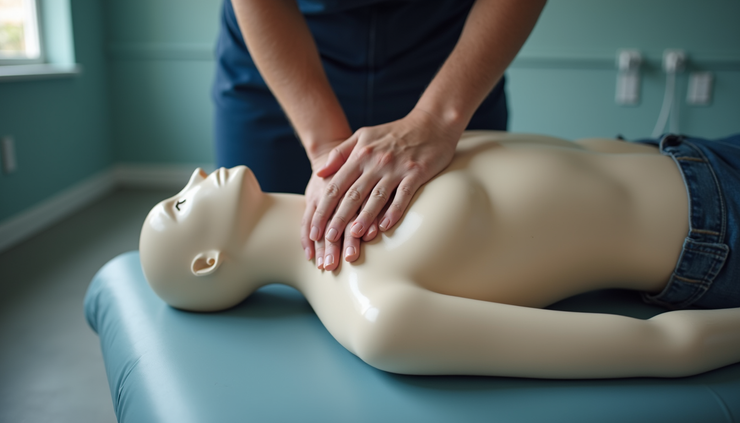
CPR helps maintain blood flow to the brain and other organs until professional help arrives. The steps include:
Call emergency services immediately
Place the person on a firm surface
Begin chest compressions at a rate of 100-120 compressions per minute, pushing down about 2 inches deep
Allow full chest recoil between compressions
If trained, provide rescue breaths after every 30 compressions
Using an AED as soon as possible increases the chance of survival by restoring the heart’s rhythm.
From Immediate Response to Hospital Care
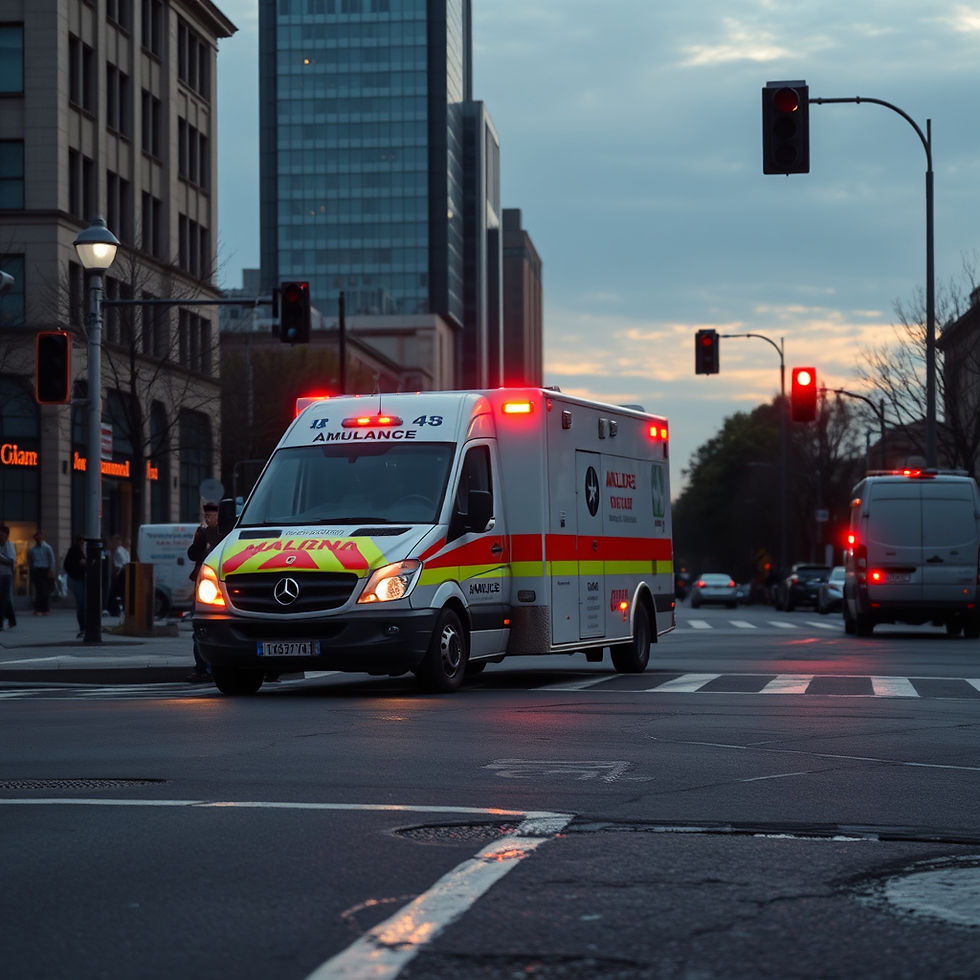
Once emergency responders arrive, the focus shifts from immediate life-saving actions to advanced medical care. This transition highlights the importance of teamwork and technology in saving lives.
Paramedics use equipment like advanced airway devices, medications, and cardiac monitors to stabilize patients. They communicate vital information to hospital teams to prepare for further treatment. Hospitals then provide specialized care such as cardiac catheterization, surgery, or intensive monitoring.
This continuum of care—from bystander CPR to hospital treatment—demonstrates how saving a life is a coordinated effort involving many people and tools.
The Body’s Healing Process and Warning Signs
After surviving an emergency, the body begins a complex healing process. Organs repair damaged tissues, inflammation reduces, and strength gradually returns. Recovery times vary depending on the severity of the event and the individual's health.
Recognizing warning signs during recovery is essential to prevent complications. Symptoms like chest pain, shortness of breath, dizziness, or swelling should prompt immediate medical attention. Regular follow-ups with healthcare providers help monitor progress and adjust treatments.
Understanding how the body heals encourages patience and adherence to rehabilitation plans, which are critical for long-term wellbeing.
Prevention Through Nutrition, Movement, and Awareness
Protecting life extends beyond emergency response to daily habits that reduce risk factors. Prevention is the most effective way to save lives.
Nutrition
A balanced diet rich in fruits, vegetables, whole grains, lean proteins, and healthy fats supports heart health and overall function. Limiting processed foods, excessive salt, and sugar helps control blood pressure and cholesterol.
Movement
Regular physical activity strengthens the cardiovascular system, improves circulation, and maintains a healthy weight. Activities like walking, swimming, or cycling for at least 150 minutes per week are recommended.
Awareness
Being aware of personal health status and risk factors allows for early intervention. Regular health screenings, managing stress, avoiding tobacco, and moderating alcohol intake contribute to prevention.
Educating communities about these lifestyle choices fosters a culture of health and safety, reducing the incidence of emergencies.

Comments