Exploring the Mind's Eye: The Universe Within Us and Its Power Over the Body
- dstreet422
- Mar 28
- 3 min read
The brain is often described as the control center for the body, but it is much more than a biological organ. It holds a universe within us, a vast and intricate network that shapes our reality through the mind's eye and imagination. This post explores how the brain functions as the command hub for our physical and mental experiences, revealing the profound connection between our inner world and the body it governs.
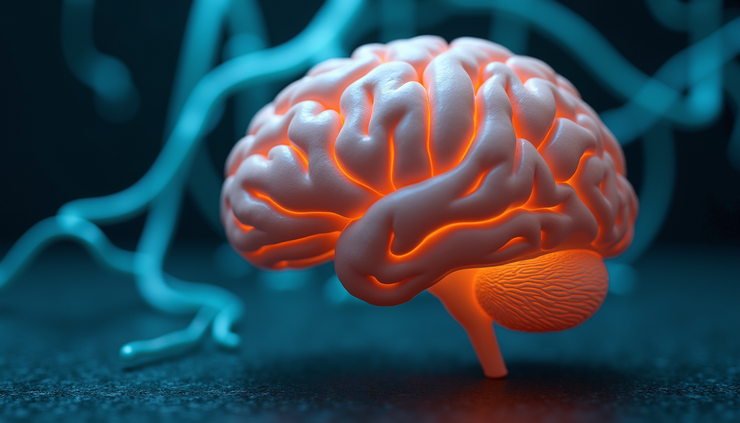
The Brain as the Control Center for the Body
The brain controls every function in the body, from basic survival mechanisms like breathing and heartbeat to complex processes such as decision-making and emotional regulation. It receives information from the senses, processes it, and sends commands to muscles and organs. This control happens through billions of neurons communicating via electrical and chemical signals.
Central Nervous System: The brain works closely with the spinal cord to form the central nervous system, which coordinates voluntary and involuntary actions.
Autonomic Functions: It regulates automatic functions such as digestion, temperature control, and hormone release without conscious effort.
Motor Control: The brain plans and executes movements, from simple gestures to intricate tasks like playing an instrument.
Understanding the brain’s role as the body’s control center helps us appreciate how deeply interconnected our physical and mental states are.
The Mind’s Eye and Imagination
The mind’s eye refers to the brain’s ability to visualize images, scenarios, and ideas without direct sensory input. This capacity for imagination allows us to create mental pictures, solve problems, and plan for the future.
Visualization: Athletes often use visualization techniques to improve performance by mentally rehearsing movements.
Creativity: Artists and writers rely on the mind’s eye to bring new concepts to life.
Memory: Imagining past events helps strengthen memory recall and emotional connections.
Imagination is not just fantasy; it is a powerful tool that shapes how we experience the world and interact with it.
The Universe Within Us
The brain contains an estimated 86 billion neurons, each forming thousands of connections. This complexity creates a universe of thoughts, emotions, and perceptions unique to each individual.
Neural Networks: These networks process information and generate consciousness.
Plasticity: The brain can rewire itself in response to learning and experience, showing remarkable adaptability.
Inner Experience: Our subjective reality, including dreams and intuition, emerges from this internal universe.
This vast internal landscape influences how we perceive external reality and respond to it.
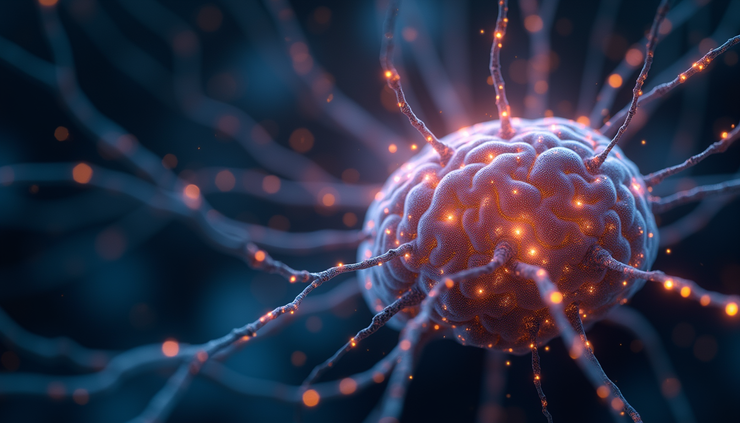
How the Brain’s Power Affects the Body
The brain’s influence over the body extends beyond basic control. It affects physical health, emotional well-being, and even healing processes.
Mind-Body Connection: Stress and emotions can trigger physical symptoms like headaches or muscle tension.
Placebo Effect: Belief and expectation can lead to real physiological changes, demonstrating the brain’s role in healing.
Neuroplasticity and Recovery: After injury, the brain’s ability to reorganize helps regain lost functions.
By understanding this connection, we can use mental techniques to improve health and manage pain.
Practical Ways to Harness the Mind’s Eye
You can actively engage the mind’s eye to enhance your life and well-being.
Meditation and Mindfulness: These practices improve focus and reduce stress by training the brain to observe thoughts without judgment.
Guided Imagery: Visualizing positive outcomes can boost confidence and motivation.
Creative Exercises: Drawing, writing, or daydreaming stimulate imagination and problem-solving skills.
Incorporating these habits supports brain health and strengthens the link between mind and body.
The Brain’s Role in Shaping Reality
Our perception of reality is filtered through the brain’s interpretation of sensory data and internal narratives. The mind’s eye allows us to imagine possibilities beyond immediate experience, influencing choices and behavior.
Perception vs. Reality: What we see or feel is shaped by past experiences and expectations.
Emotional Influence: Feelings color how we interpret events and interact with others.
Future Planning: Imagining different scenarios helps us prepare and adapt.
Recognizing this can help us become more aware of biases and open to new perspectives.


Comments