Exploring the Intriguing Parallels and Contrasts Between Human Cells and the Universe
- dstreet422
- Mar 28
- 2 min read
The human cell and the universe might seem worlds apart, yet they share intriguing similarities that invite us to explore their mysteries side by side. Both are complex systems with vast networks, structures, and functions that sustain life and existence. At the same time, their differences highlight the scale and nature of life and cosmos in unique ways. This post takes a closer look at how human cells and the universe compare, revealing surprising connections and clear distinctions.
Structural Complexity and Scale
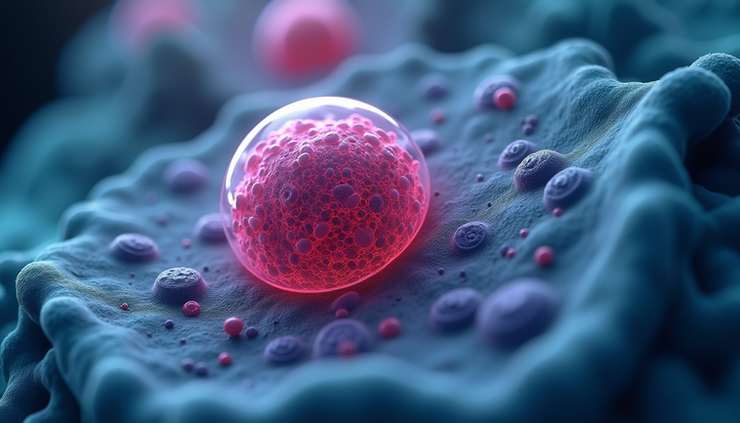
Human cells are the building blocks of life, typically measuring around 10 to 30 micrometers. Each cell contains a nucleus, mitochondria, ribosomes, and other organelles working together to maintain life processes. The universe, by contrast, is unimaginably vast, spanning billions of light-years and containing countless galaxies, stars, and planets.
Despite this difference in scale, both systems exhibit complex organization. For example:
Human cells have membranes that regulate what enters and exits, similar to how galaxies have boundaries defined by gravitational forces.
The universe contains clusters of galaxies that resemble cellular structures in their grouping and interaction.
This comparison shows how complexity arises at different scales, from microscopic to cosmic.
Communication and Networks
Cells communicate through chemical signals, proteins, and electrical impulses. This communication is vital for coordinating functions like growth, repair, and immune responses. Similarly, the universe exhibits networks of galaxies connected by filaments of dark matter and gas, forming a cosmic web.
Both systems rely on networks to maintain stability and function:
Cellular networks transmit signals rapidly to respond to environmental changes.
Cosmic networks influence the formation and movement of galaxies over millions of years.
These networks highlight how connectivity is essential for both life and cosmic structure.
Energy and Dynamics
Energy drives both cells and the universe, but in different ways. Cells convert chemical energy from nutrients into usable forms through processes like cellular respiration. This energy powers everything from movement to reproduction.
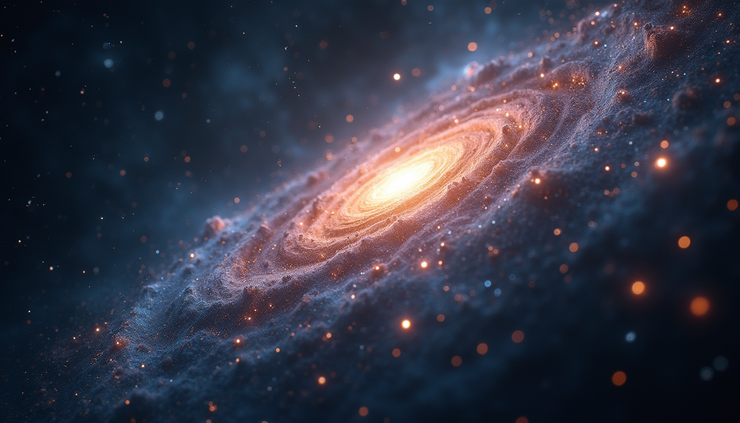
The universe’s energy comes from sources such as stars, black holes, and dark energy, fueling cosmic expansion and star formation. Key points include:
Cells use ATP molecules as energy currency.
The universe relies on nuclear fusion in stars to produce light and heat.
Both systems are dynamic, constantly changing and evolving over time.
Key Differences to Remember
While the parallels are fascinating, the differences are equally important:
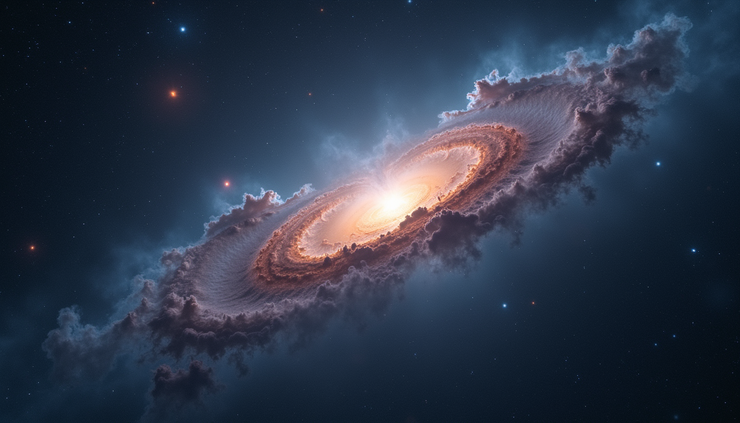
Scale: Cells operate on a microscopic level, while the universe spans incomprehensible distances.
Purpose: Cells exist to sustain life and reproduce, whereas the universe follows physical laws without a defined purpose.
Timeframe: Cellular processes happen in seconds to days, but cosmic events unfold over millions or billions of years.
Understanding these differences helps us appreciate the unique nature of life and the cosmos.
Final Thoughts
The comparison between human cells and the universe reveals how nature uses similar principles of structure, communication, and energy across vastly different scales. This perspective encourages curiosity about the connections between life and the cosmos. Exploring these similarities and differences deepens our understanding of both the tiny world within us and the vast universe beyond.


Comments